

_(RA)_-_Youth_Mourning.jpg)
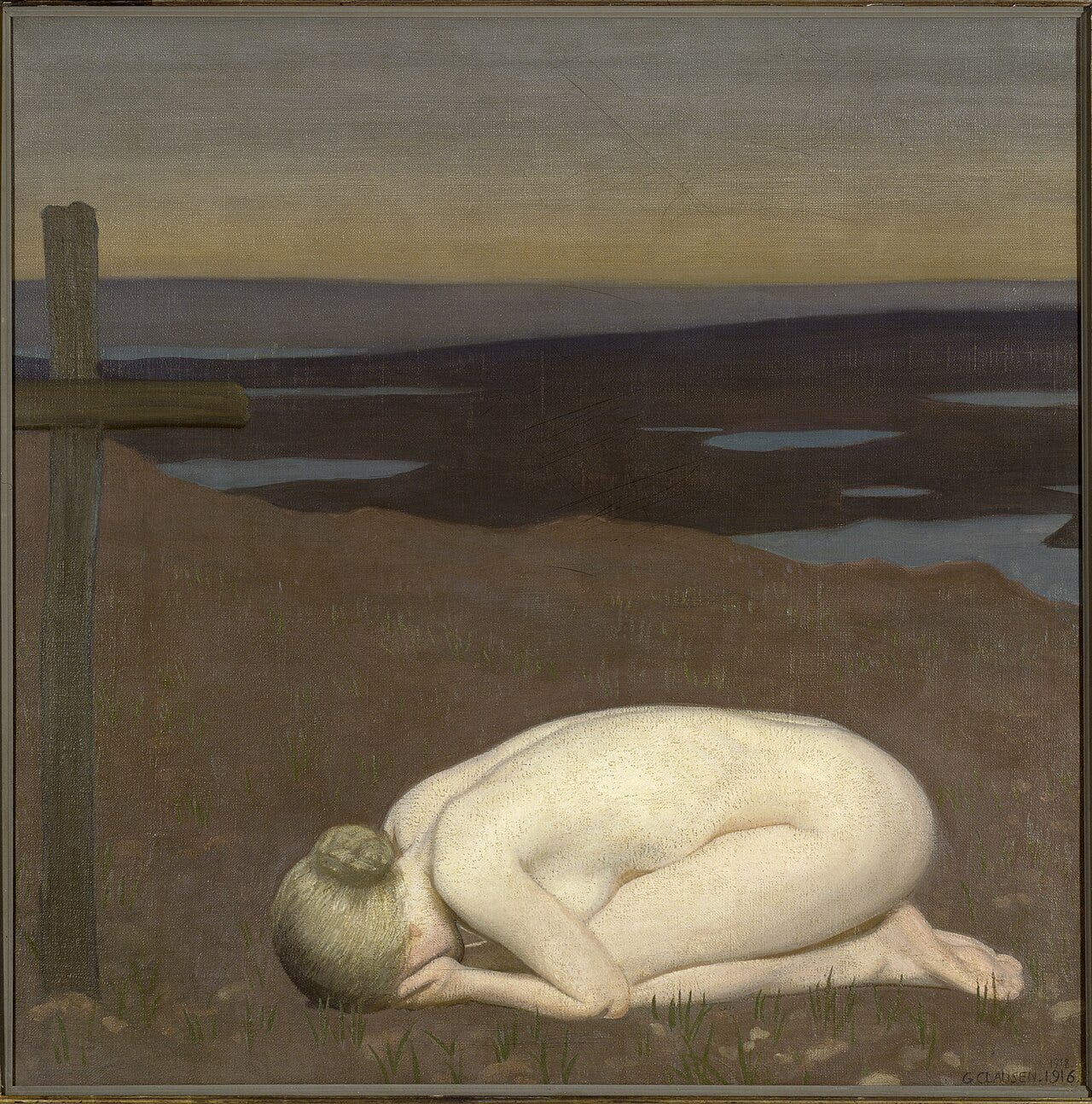
Our insistence on not suffering may well be the greatest source of our suffering. In our natural (and understandable) effort to avoid unnecessary pain, we quickly forget that there is necessary pain.
It is a sentiment of deep entitlement, once we consider it objectively. From subatomic annihilation through the indifferent brutality of nature and human culture, to the collision of galaxies—the world is engulfed in strife. And yet in the midst of that, we demand ever-persisting peace, joy, and flourishing. If our lives do not embody this ideal, we conclude there must be something wrong with our lives, not the ideal. We then view suffering as something unnatural, a bug in Creation that God overlooked on the seventh day.
One of the genius moves of the Buddha (or those who later compiled his teachings) is that he named suffering the First Noble Truth. This means suffering is not a bug, not even a feature of life—but one of its core building blocks.
To deny suffering (whether through resistance or through escape) is ultimately to deny life. The Buddha taught liberation from suffering as his first and last concern, but he insisted that this liberation comes only through a deep, sustained, curious, and compassionate look at the pain in our lives and where that pain comes from. Suffering is ultimately a teacher; once seen and heeded, suffering itself becomes our guide to liberation.
May we seek insight rather than escape,
Simeon
“Now this, bhikkhus, is the noble truth of suffering: birth is suffering, aging is suffering, illness is suffering, death is suffering; union with what is displeasing is suffering; separation from what is pleasing is suffering; not to get what one wants is suffering…”
—The Buddha, Dhammacakkappavattana Sutta; SN 56.11
Suggested Reading
The Consolation of Philosophy by Boethius

Written in prison in the months before his execution, Boethius’s The Consolation of Philosophy stages a dialogue between a condemned man and Lady Philosophy herself, who dismantles his grievance against fortune argument by argument. One of the oldest and clearest cases in the Western tradition that suffering, faced rather than resisted, need not be the end of peace.
Order here to support SEEKER TO SEEKER at no extra cost. You can also browse my personal list of favourite books here.
Nietzsche & Buddha’s Lessons on Suffering
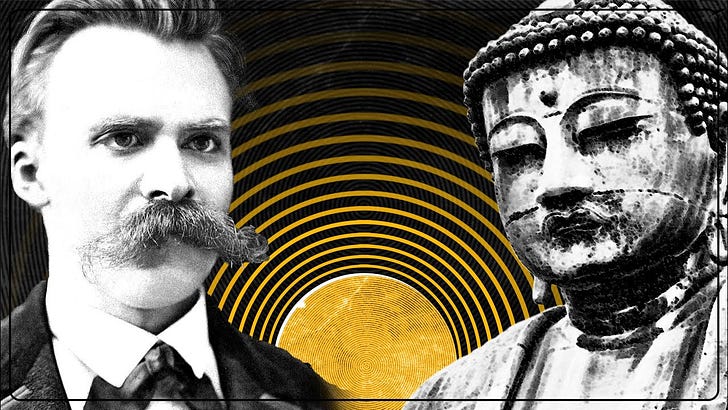
Suffering is a universal fact of existence. This is the starting point of two of history’s greatest psychologists. The German philosopher Friedrich Nietzsche and the ancient Indian sage known as the Buddha.
Simple and beautiful
A shift in perception from indulgent victimhood to curious dissection of the source of my suffering has helped me over the last few weeks. Thank you for being a part of that.